Best Vitamin C Serums for Dark Spots & Sensitive Skin
As an Amazon Associate, LumiSkinReview earns from qualifying purchases. Learn more
Top picks
-
Check priceLa Roche-Posay Vitamin C SerumBest for sensitive skin
-
Check pricePaula’s Choice C15 Super BoosterBest for a ready-to-use serum, no mixing
-
Check priceDrunk Elephant C-Firma FreshBest for a freshly mixed vitamin C
-
Check priceTimeless 20% Vitamin C + E Ferulic Acid SerumBest for experienced vitamin C users
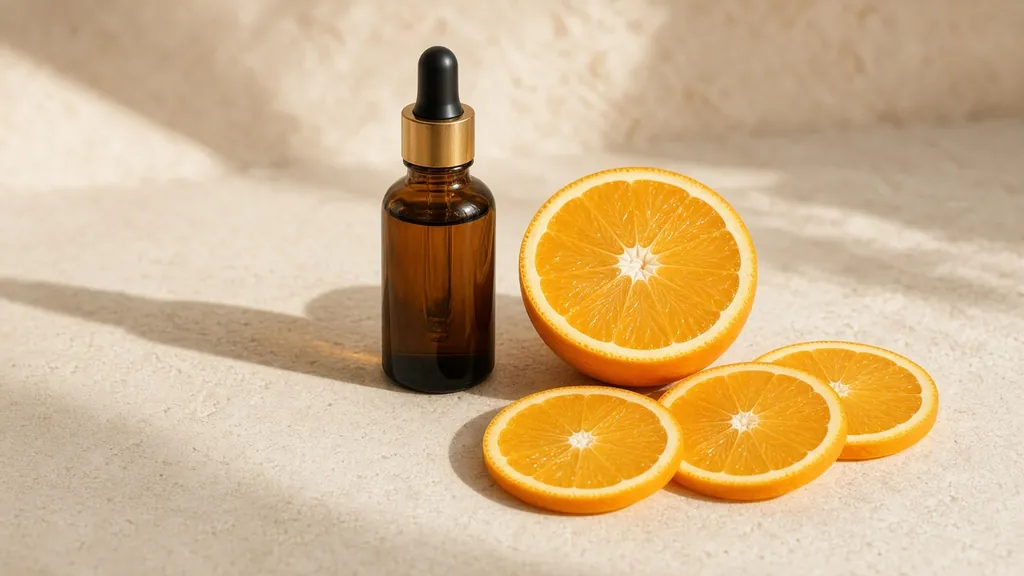
If you’re shopping for the best vitamin C serum, whether for dark spots, sensitive skin, mature skin, or hyperpigmentation: start with the formula type, not a ranked list. This page is our current picks plus a practical guide to choosing and using vitamin C. Drunk Elephant C-Firma Fresh has a full review on this site; the other three are additional picks we haven’t reviewed in full yet.
Quick picks
Editorial matches by use case, not a top-10 or clinical ranking. All four use L-ascorbic acid as marketed.
Good fit if you want a daytime vitamin C serum La Roche-Posay says is suitable for sensitive skin, with pure vitamin C (L-ascorbic acid), salicylic acid, neurosensine, and hyaluronic acid as marketed, and you’ll wear sunscreen. It is still L-ascorbic acid, so patch-test first.
Skip if you want a fragrance-free formula (the official ingredient list includes fragrance), you have known sensitivity to L-ascorbic acid or salicylic acid, or you specifically want a C + E + ferulic combination.
Confirm the product name and size on the listing you open
Good fit if you want a 15% L-ascorbic acid morning serum as marketed for brighter, firmer-looking skin, you’re willing to mix powder and liquid once before first use, and you’ll wear daytime sunscreen afterward.
Skip if you don’t want a mixing step, you have known L-ascorbic acid sensitivity or you only need basic hydration.
Search results vary: confirm “C-Firma Fresh” (not legacy C-Firma), size, and seller
Good fit if you want a fragrance-free 15% vitamin C (L-ascorbic acid) serum with vitamin E and ferulic acid as marketed for the look of dullness and uneven tone, in a commonly listed 0.67 oz size. Paula’s Choice states the formula has been “dermatologist-tested on sensitive skin.”
Skip if you have known intolerance to L-ascorbic acid, or you specifically want a mix-at-home ritual.
Confirm it’s the single 0.67 oz C15 Super Booster on the listing you open
Good fit if you want a budget 20% L-ascorbic acid serum with vitamin E and ferulic acid as marketed, commonly sold in a 1 oz size, and you’ll wear sunscreen (the brand also recommends refrigerating for best freshness).
Skip if you have known sensitivity to higher-strength L-ascorbic acid. 20% sits at the high end of commonly marketed ranges, or you specifically want a mix-at-home ritual.
Confirm the 1 oz size (other sizes exist) on the listing you open
How to choose a vitamin C serum
A “best vitamin C serum” depends on the form of vitamin C, how the formula is built, and how your skin typically handles acidic products. Use this checklist before you buy, especially if you’re shopping for dark spots, sensitive skin, or mature skin.
L-ascorbic acid vs. derivatives
L-ascorbic acid (pure vitamin C) is the most studied topical form. Dermatology research commonly notes that it is unstable in water and air, and that it is often formulated at a low pH, commonly cited below about 3.5, so more of the molecule can enter the skin. That acidity is also why some people feel a tingle or see redness.
Vitamin C derivatives, such as magnesium ascorbyl phosphate, sodium ascorbyl phosphate, ascorbyl glucoside, or tetrahexyldecyl ascorbate, are often more stable and milder as marketed. They typically need to convert to ascorbic acid in the skin. Research suggests some derivatives may not raise skin vitamin C levels the same way L-ascorbic acid does, so they can be a smarter comfort choice even if they are not a like-for-like swap. Our current picks all use L-ascorbic acid as marketed; we don’t yet have a derivative serum review on this site.
Concentration ranges as commonly marketed
L-ascorbic acid serums are commonly marketed in a roughly 10–20% range. Formulation research often treats much lower strengths as less likely to be meaningful for skin delivery, and strengths above about 20% as not clearly more effective, and sometimes more irritating. More is not automatically better. Paula’s Choice C15 Super Booster and Drunk Elephant C-Firma Fresh are marketed at 15% L-ascorbic acid; Timeless is marketed at 20%.
pH and stability
Pure vitamin C breaks down with air, light, and heat. A low pH helps L-ascorbic acid stay in a form that can be absorbed, as commonly described in formulation studies. Ferulic acid and vitamin E are often added, as they are in Drunk Elephant C-Firma Fresh, Paula’s Choice C15 Super Booster, and Timeless, because research suggests that combination can help stabilize L-ascorbic acid. Stability still depends on packaging, storage, and how long the bottle has been open. Timeless, for example, recommends refrigeration for best freshness.
Packaging
Look for opaque, dark-glass, or airless packaging that limits light and air. Amber dropper bottles can work when they are tightly capped. Airless pumps and opaque outer bottles: C-Firma Fresh snaps into an opaque container after you mix it, are designed to limit light exposure. Timeless currently lists premium glass bottles. Clear bottles left on a sunny shelf are a poor sign.
Oxidation signs
If a serum turns noticeably orange or brown, or smells off, it may have oxidized and lost much of its antioxidant activity. Dermatologists often suggest discarding it rather than finishing the bottle. Store as the brand directs, away from heat and bright light, and cap it promptly after each use.
Pair with sunscreen
Vitamin C is commonly used in the morning under sunscreen. Antioxidants are not a substitute for SPF. Daily broad-spectrum sunscreen remains the most important step for dark spots and the look of photoaging. Compare face formulas in our sunscreen guide.
Patch-test first
Patch-test on a small area for a few days, then introduce slowly if you’re new to acidic vitamin C. If stinging is persistent or you see redness, stop and consider a gentler derivative or a lower-strength formula. If your barrier is already irritated, wait before adding a 15% or 20% L-ascorbic acid serum.
Best vitamin C serum by skin concern
Here’s how our current picks map, honestly, to the searches we hear most. When a formula may not be an ideal match, we say so.
For dark spots and hyperpigmentation
Dermatologists commonly include vitamin C among over-the-counter ingredients that may help fade the look of existing dark spots, alongside consistent sun protection, which the American Academy of Dermatology emphasizes as the starting point. Research also suggests topical vitamin C may support a more even-looking tone over time, but results are not guaranteed and usually take consistent use. This is not a medical treatment for melasma or other pigment conditions; see a clinician if spots are stubborn, spreading, or changing.
All four of our current picks use L-ascorbic acid as marketed for brighter-looking tone or the appearance of discoloration. La Roche-Posay Vitamin C Serum is the gentler, sensitive-skin-friendly option; La Roche-Posay says it is suitable for sensitive skin. Drunk Elephant C-Firma Fresh is the mix-at-home alternative and has a full review on this site. Paula’s Choice C15 Super Booster is the fragrance-free 15% option. Timeless 20% Vitamin C + E Ferulic Acid Serum is the budget C + E + ferulic option. Daily SPF still does more for dark spots than the serum alone.
For sensitive skin
If you want a fragrance-free option while shopping for sensitive skin and dark spots, start with Paula’s Choice C15 Super Booster. The brand states it has been “dermatologist-tested on sensitive skin.” It is still a 15% L-ascorbic acid serum, so patch-test and introduce slowly, especially if your barrier is already irritated.
La Roche-Posay Vitamin C Serum is our gentler, sensitive-skin-friendly option. La Roche-Posay says it is suitable for sensitive skin and markets it with pure vitamin C (L-ascorbic acid), salicylic acid, neurosensine, and hyaluronic acid. It is still L-ascorbic acid, and the official ingredient list includes fragrance, so patch-test first, especially if you prefer fragrance-free or already use other acids. Drunk Elephant C-Firma Fresh and Timeless (marketed at 20%) may be less comfortable first serums if your skin is very reactive. More context on layering actives lives on our serums guide.
For mature skin
Vitamin C is commonly shopped in mature-skin routines for antioxidant support and the look of photoaging, uneven tone and fine lines as marketed, not as a wrinkle cure. Drunk Elephant C-Firma Fresh, Paula’s Choice C15 Super Booster, and Timeless combine L-ascorbic acid with vitamin E and ferulic acid as marketed, a trio frequently discussed for daytime antioxidant support. La Roche-Posay Vitamin C Serum is the gentler, sensitive-skin-friendly option; the brand markets it with pure vitamin C, salicylic acid, neurosensine, and hyaluronic acid.
Choose C-Firma Fresh if you’re comfortable mixing once and want a fresh-activated pump. C15 is the fragrance-free 15% option; Timeless is the budget 20% C + E + ferulic option; La Roche-Posay Vitamin C Serum is the gentler starting point if you want a sensitive-skin-friendly formula (still patch-test). Pair any of them with a moisturizer that suits dry or mature skin, and don’t skip sunscreen.
How to use vitamin C in a routine
Most people use a vitamin C serum in the morning. A commonly recommended order is:
- Cleanse, then let skin dry.
- Apply a few drops or a pump (follow the product you’re using) to face and neck. Paula’s Choice also notes C15 can be used alone or mixed into a non-SPF moisturizer or serum.
- Follow with moisturizer if you use one (and if you haven’t already mixed the booster in).
- Finish with broad-spectrum sunscreen. Makeup goes on after SPF.
Dermatologists often recommend applying vitamin C after washing and before sunscreen. Give the serum a minute to settle if it pills under moisturizer. At night, many people keep vitamin C out of the routine and use other actives; follow your skin’s tolerance and avoid stacking too many acids at once.
Compare face sunscreens in our sunscreen guide, or return to the serums category and skincare hub.
FAQ
What is the best vitamin C serum for dark spots?
All four of our current picks use L-ascorbic acid as marketed and are commonly shopped for brighter-looking tone and the appearance of dark spots or photodamage. Dermatologists often include vitamin C among ingredients that may help fade the look of dark spots, but daily sunscreen is essential, and results vary. We don’t rank a number-one serum; choose based on ritual, fragrance preference, and budget. Drunk Elephant C-Firma Fresh has a full review on this site; La Roche-Posay Vitamin C Serum is our gentler, sensitive-skin-friendly option; Paula’s Choice C15 Super Booster is our fragrance-free pick; and Timeless 20% Vitamin C + E Ferulic Acid Serum is our budget C + E + ferulic pick.
What is the best vitamin C serum for sensitive skin?
For a fragrance-free option, start with Paula’s Choice C15 Super Booster, a 15% vitamin C serum the brand describes as “dermatologist-tested on sensitive skin.” For a gentler, sensitive-skin-friendly option, consider La Roche-Posay Vitamin C Serum. La Roche-Posay says it is suitable for sensitive skin and markets it with pure vitamin C (L-ascorbic acid), salicylic acid, neurosensine, and hyaluronic acid. Both are still L-ascorbic acid, so patch-test first. The official La Roche-Posay ingredient list also includes fragrance, so C15 is the better match if you want fragrance-free. Drunk Elephant C-Firma Fresh and Timeless 20% may not be the most comfortable starting point if your skin is very reactive.
How should I use a vitamin C serum in my routine?
Most people use it in the morning: cleanse, apply vitamin C on dry skin, then moisturizer and broad-spectrum sunscreen. That order is commonly recommended by dermatologists. Vitamin C is not a replacement for SPF.
What’s the difference between L-ascorbic acid and vitamin C derivatives?
L-ascorbic acid is the pure, most-studied form. It usually needs a low pH and oxidizes easily. Derivatives are often more stable and milder, but they typically have to convert in the skin and may not behave identically. Our current picks all use L-ascorbic acid as marketed.
What is the Timeless serum, and who is it for?
Timeless 20% Vitamin C + E Ferulic Acid Serum is our budget pick. It is marketed as a 20% L-ascorbic acid serum with vitamin E and ferulic acid, commonly sold in a 1 oz size. 20% sits at the high end of commonly marketed strengths, so patch-test if you’re new to L-ascorbic acid, and wear sunscreen. Shop it on its own terms, as a budget C + E + ferulic option, not as a match for any other formula.
Why do some picks use a Search on Amazon link?
Drunk Elephant C-Firma Fresh listings can mix Fresh with older versions. A search lets you compare sellers, packaging, size, and the exact product name rather than sending you to a single listing. La Roche-Posay Vitamin C Serum, Paula’s Choice C15 Super Booster, and Timeless use direct product links; still confirm size and the exact product name on the listing you open.
How does LumiSkinReview handle Amazon links?
As an Amazon Associate, LumiSkinReview earns from qualifying purchases. See our affiliate disclosure for details.